




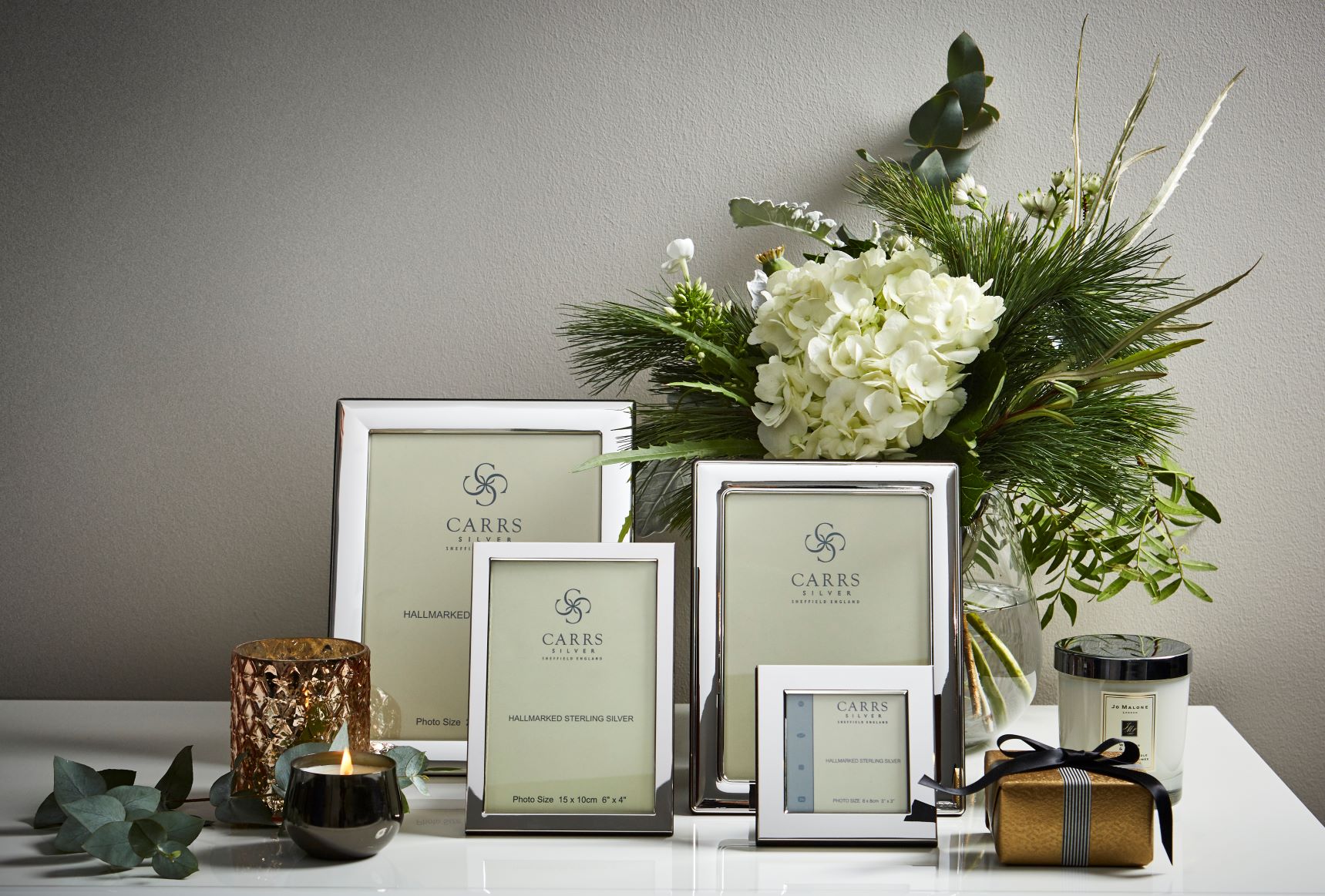
The Connoisseur’s Guide to British Heritage Silver, Crystal, and Bone China

Buying British heritage silver and crystal can feel deceptively simple until a small fault appears under close inspection. A weak hallmark, an over-restored surface, or a poorly fired glaze can change both value and long-term satisfaction, especially in dining and barware pieces meant to be handled and displayed.
The good news is that the signs of quality are readable once you know where to look. With a steady method, you can judge provenance, confirm material standards, and compare makers such as Carrs Silver, Grant Macdonald, William Yeoward, and Royal Crown Derby with confidence.
This guide shows you how to read sterling silver hallmarks, assess crystal cut and lead content, and recognise the firing and glazing standards that distinguish fine bone china from ordinary tableware. It also explains how EB London evaluates maker heritage, finishing, and condition before recommending any piece.
- Read the hallmarks first, because sterling marks and date letters tell you far more than polish ever will.
- Judge crystal by cut, clarity, and weight, not by shine alone.
- Fine bone china should show controlled firing, a refined glaze, and a clean ring.
- Maker heritage matters, especially with Carrs Silver, Grant Macdonald, William Yeoward, and Royal Crown Derby.
- Provenance and condition should always be checked before you commit to a purchase.
What to check before buying British heritage silver and crystal
Start by separating category from story. A handsome salver, a decanter, and a tea service can all carry prestige, yet each needs a different lens. British heritage silver and crystal should be assessed for use, display, and collector appeal before you think about styling or price.
Provenance also matters. Ask where the piece was made, whether it has paperwork, and if any restoration has been carried out. EB London treats undocumented repairs, mismatched components, and heavy polishing as material warnings, not minor details.
Confirm the category, age, and intended use
Silver for formal dining should feel proportionate, balanced, and practical in the hand. Barware needs stable bases and clean pouring lines. Decorative pieces may tolerate more surface wear, but they still need honest description and intact structure.
Age influences both character and collectability. A later piece can still be excellent if the maker is strong and the finishing is exact. The key is to match the object to your setting, rather than forcing one type of piece to do every job.
Review provenance, condition, and any restoration
Look for original boxes, invoices, retailer labels, or maker documentation. These support attribution and help confirm that a piece has not been altered beyond recognition. On silver, watch for softened edges, which often signal repeated polishing.
On crystal and china, inspect rims, feet, handles, and interiors. Minor scratches may be acceptable. Chips, clouding, hairline cracks, or overpainted decoration should reduce confidence, especially in private collection pieces and hospitality stock.
Match the piece to collector, home, or hospitality needs
A collector may prioritise rarity, maker pedigree, and original finish. A homeowner may value usability and visual harmony. Hospitality buyers usually need durability, consistency, and easy replacement across a matching range.
That distinction saves costly mistakes. A sculptural silver centrepiece from Grant Macdonald may be ideal for display, while a restrained serving piece from Carrs Silver may suit repeated service better.
How to assess British heritage silver and crystal piece by piece
Use a fixed order of inspection so you do not miss the details that matter. Begin with marks and materials, then move to surface quality, weight, and finish. This method works for collectors and buyers of British heritage silver and crystal alike.
When you read a piece this way, you are comparing evidence, not impressions. That is how you avoid items that look impressive from a distance but fail under close scrutiny.
1. Read sterling hallmarks and maker marks
British sterling silver usually carries several marks in a small cluster. You are looking for the standard mark, the assay office mark, the date letter, and the maker's mark. Together, they form the object's identity.
If the marks are blurred, uneven, or poorly struck, pause. Strong pieces show clear, purposeful stamping. For buyers asking how do you identify real silver, the answer begins with these marks, not with shine or colour alone.
2. Use the British silver hallmarks guide to read date letters
A British silver hallmarks guide helps you separate age from assumption. Date letters can place a piece within a specific period, which is essential for valuation and for understanding design language. Style, tooling, and finishing should agree with the date.
Compare the letter sequence with the shape and wear pattern. A supposedly old item with crisp modern construction deserves scrutiny. If the letter and workmanship fit together, confidence rises quickly.
3. Judge crystal cut, clarity, and lead content
Good crystal shows disciplined cutting, not just sparkle. Facets should meet cleanly, lines should stay even, and the whole form should carry weight without feeling crude. Clarity matters too, because haze and trapped bubbles can reduce refinement.
Lead content affects brilliance and density, but you cannot assess it from a label alone. Instead, look for a resonant ring, precise cutting, and a sense of substance in the hand. William Yeoward pieces often show this balance through elegant profiles and controlled sparkle.
4. Test whether the crystal has the weight and brilliance you expect
Lift the piece and feel its balance. A well-made decanter, goblet, or tumbler should seem assured, with enough mass to feel stable and elegant. Too light can suggest a thinner body, while excessive heaviness can make service awkward.
Hold it near daylight or a strong neutral lamp. Fine crystal should return light in a clean, lively way. If the brilliance looks flat or the surface appears greasy after cleaning, inspect for wear, misting, or inferior finishing.
5. Assess firing temperature and glaze finish on fine bone china
Fine bone china depends on carefully controlled firing and a disciplined glaze. High-quality pieces have a smooth, even surface, a luminous translucency, and a sound ring when lightly tapped. The body should feel refined, not chalky or coarse.
Royal Crown Derby is a useful reference point here. Its better pieces often show sharp decoration, consistent glaze, and clean edges at handles and rims. Poor firing leaves a dull finish, rough patches, or visible distortion in the form.
6. Compare maker marks and finishing standards before you commit
Maker marks should reinforce the workmanship you see. Carrs Silver tends to reward buyers who value precision and disciplined engineering, while Grant Macdonald is admired for sculptural silverwork with strong presence.
Compare the mark to the object's finish, not just to the name. A fine maker can still produce a piece with lower appeal if polishing has softened detail or if the form feels overworked. EB London always weighs finishing against heritage before recommending a purchase.
Take a magnifier with you, if possible. It makes hallmarks, edge wear, glaze quality, and cutting lines far easier to assess in one viewing.
If a seller resists close inspection, treat that as information. Provenance-led buying depends on transparency.
Comparing makers with proven British manufacturing heritage
Maker reputation is useful only when it matches the object in front of you. British manufacturing heritage gives context, but the real test is whether the finish, form, and marks align with that reputation. That is where careful comparison pays off.
Each of the makers below has a distinct strength. Read them as benchmarks. They help you decide whether a piece feels quietly accomplished, technically assured, or especially suited to display, service, or collecting.
Carrs Silver and the discipline of modern silversmithing
Carrs Silver is known for order, clarity, and an exacting approach to traditional forms. Pieces often favour refined lines and practical elegance, which makes them appealing to buyers who want silver that serves rather than shouts.
Look for even surfaces, confident joins, and crisp marking. If the piece seems over-decorated or careless in execution, it is less likely to represent the best of the maker's standards.
Grant Macdonald and the value of sculptural silverwork
Grant Macdonald often sits at the more artistic end of British silversmithing. The appeal lies in form, modelling, and presence. These pieces can be especially compelling for collectors who want conversation pieces with real workshop authority.
Assess the sculptural intent carefully. Strong examples feel intentional from every angle, with no awkward transitions or weak finishing. The more complex the design, the more important crisp detail becomes.
William Yeoward and the cues that define refined crystal
William Yeoward is closely associated with elegant crystal that balances glamour with restraint. The best pieces show clear cutting, graceful silhouettes, and a polished finish that catches light without appearing excessive.
Pay attention to proportion. A well-made glass or decanter should look composed on a table and feel satisfying in the hand. If the sparkle overwhelms the form, the piece may be decorative rather than truly refined.
Royal Crown Derby and the signs of high-grade bone china
Royal Crown Derby remains a strong reference for bone china quality, especially where decoration and firing discipline need to work together. The body should look clean and refined, with glazing that supports the pattern rather than hiding defects.
Check the underside, rim, and handle joins. These areas reveal how carefully the piece was fired and finished. A convincing example should feel precise, balanced, and durable enough for proper service.
Final thoughts
Once you know how to read hallmarks, judge crystal, and assess bone china firing, you can compare pieces with much greater assurance. The same method works for private collecting, considered home buying, and hospitality procurement.
Use evidence first, reputation second. That is the safest way to choose British heritage silver and crystal that will hold its appeal, its provenance, and its place at the table.
If you are still deciding between makers, begin with the object that shows the clearest workmanship and documentation. EB London recommends buying the piece that feels complete in mark, material, and finish, not the one that only looks impressive at a glance.




Leave a comment
This site is protected by hCaptcha and the hCaptcha Privacy Policy and Terms of Service apply.